

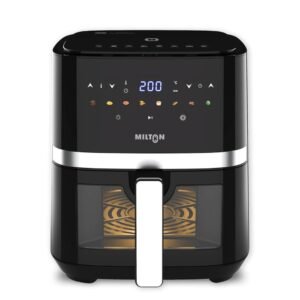
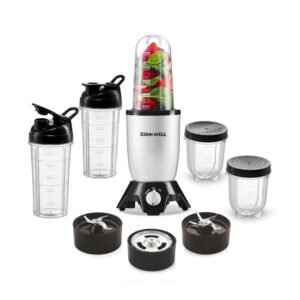
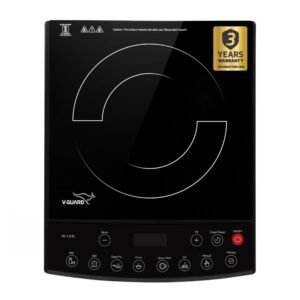
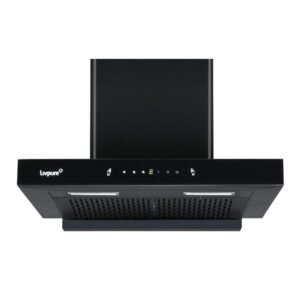
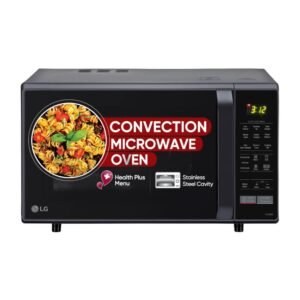

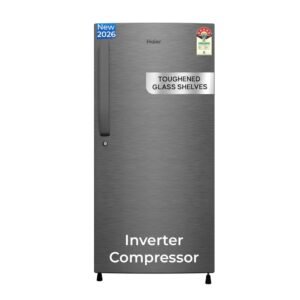



Home appliances have become an essential part of modern Indian households, helping make cooking, cleaning, food preparation and everyday routines more convenient. From kitchen appliances and cooking equipment to cleaning machines, cooling products and other household essentials, the right appliance can save time while making regular household tasks easier to manage. The Appliance category brings together products intended for different rooms, routines and household requirements, allowing shoppers to explore suitable options from one convenient starting point.
When buying an appliance in India, it is useful to look beyond the headline price. Product capacity, dimensions, power consumption, operating modes, controls, included accessories, maintenance requirements and warranty terms can all influence long-term value. A compact appliance may be ideal for a smaller kitchen or apartment, while a larger-capacity model can make more sense for families with higher daily usage. Comparing these practical details before purchasing can help you select an appliance that fits both your available space and your routine.
Appliances serve many different purposes around the home. Kitchen appliances can support food preparation and cooking, while cleaning appliances can reduce the effort involved in maintaining floors, surfaces, clothes and other household areas. Cooling and climate-related appliances can help improve comfort during India's changing seasons. Smaller household appliances can also provide convenient solutions for specific daily tasks without requiring a major change to the layout of your home.
Because appliance requirements differ from one household to another, it is important to identify the job you want the product to perform before comparing models. Consider who will use the appliance, how frequently it will be used, where it will be placed and whether existing electrical connections or accessories are suitable. These questions can narrow your choices and make product comparisons more meaningful.
Measure the intended installation or storage area before ordering a large appliance. Remember to consider door opening space, ventilation requirements, surrounding clearance and access for installation or maintenance. For smaller kitchen appliances, check both the countertop footprint and available storage space.
Capacity should match the needs of your household. A product with too little capacity may require repeated cycles or batches, while an unnecessarily large appliance can occupy more space and may not provide the best value for a smaller household. Compare operating modes, performance features and controls alongside capacity rather than judging a product by size alone.
Electricity usage is an important consideration for appliances that operate frequently or for long periods. Where applicable, compare energy ratings and manufacturer specifications. A product with suitable efficiency can help manage running costs over its useful life, although the actual consumption will depend on usage patterns and operating conditions.
Useful features should make an appliance easier or more flexible to operate rather than simply adding complexity. Look for controls, automatic programmes, timers, adjustable settings, safety features and accessories that are relevant to your needs. A straightforward interface can be particularly valuable when an appliance is used every day by multiple members of a household.
Indian homes vary considerably in size, layout, climate and household routines, so appliance selection should reflect local conditions. A family kitchen may prioritise capacity and frequent-use performance, while someone living in an apartment may place greater importance on compact dimensions and easy storage. Buyers in warmer regions may have different cooling requirements from those in areas with cooler seasonal weather. Similarly, households with busy schedules may prioritise appliances that simplify repetitive tasks.
Electrical compatibility is another practical consideration. Before buying, check the product's voltage, frequency, plug configuration and power requirements against the electrical supply and socket arrangement where it will be used. For appliances that require plumbing, drainage, ventilation or specialised installation, confirm the necessary setup in advance.
Price comparison is most useful when products are evaluated on a like-for-like basis. Instead of choosing solely by the lowest listed price, compare capacity, specifications, included accessories, warranty coverage, operating features and expected running requirements. Seasonal promotions and changing retail prices can also affect the final cost, so checking current product information before purchasing is worthwhile.
Appliances are often used for several years, making the initial purchase decision more important than it may appear. A careful comparison can help you avoid choosing a product that is too large, too small, unnecessarily complicated or unsuitable for your home's electrical and physical requirements. By evaluating specifications against your actual needs, you can focus on appliances that offer practical functionality and appropriate long-term value.
Whether you are replacing an old household appliance, setting up a new kitchen or looking for a convenient solution to an everyday task, start with your specific requirement and compare suitable products from there. The best appliance is not necessarily the one with the most features or the lowest price; it is the one whose size, performance, functionality and running requirements make sense for your household.
Shop and compare home appliances for everyday living in India. Explore appliance options across cooking, cleaning, cooling, kitchen and household categories, with practical information to help you choose products that suit your home, lifestyle and budget.